
Electrical Calibration Services
ISO / IEC 17025 Accredited Electrical Calibrations. Ensure electrical measurement traceability through our primary current, resistance, voltage standards
What are Electrical Calibrations?
Electrical calibrations ensure the accuracy and precision of electrical instruments by comparing them against certified standards. This process involves measuring or adjusting electrical measurement devices to meet industry-specific accuracy requirements. Regular electrical calibration is essential for maintaining compliance and optimizing the performance of your equipment. With quick turn-around times, on-demand expertise, and state-of-the-art calibration equipment, RJ Bagan is one of main choices for partners in electrical calibration services.
Electrical Calibration Capabilities
General Electrical Calibration Types
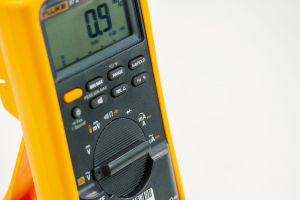
Ammeters
Ammeters are used to measure electric current.
View Details »
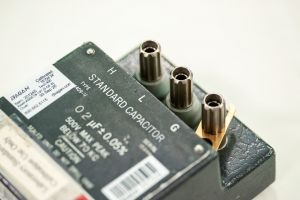
Capacitors
Standard capacitors are stable capacitance standards built to be used as references in testing and calibration.
View Details »
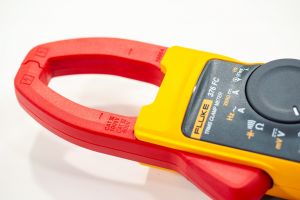
Clamp Meters
Clamp-on ammeters are instruments used to measure current in a conductor without physical contact by clamping around the conductor, commonly used in electrical diagnostics and maintenance.
View Details »
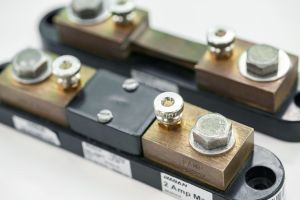
Current Shunts
Current shunts are precision resistors used to measure high currents by creating a low-resistance path, allowing accurate current measurement in electrical systems.
View Details »
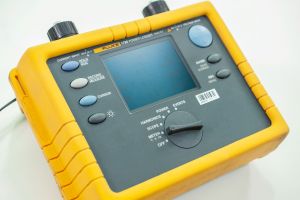
Data Loggers
Dataloggers are electronic measurement devices that are used to record and store that data over time.
View Details »
Digital Multimeters
Digital multimeters are both benchtop and handheld measurement devices used to measure electrical properties such as voltage, current, and resistance.
View Details »
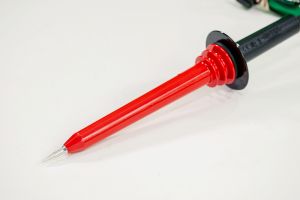
High-Voltage Probes
High voltage probes are precision voltage dividers used to safely measure high voltage levels in electrical systems.
View Details »
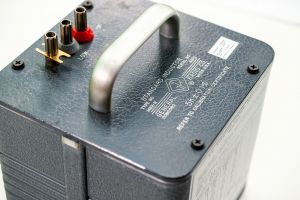
Inductors
Standard inductors are stable inductance standards built to be used as references in testing and calibration.
View Details »
Insulation Testers
Insulation testers are used to assess the integrity and quality of electrical insulation by measuring its resistance, commonly employed in electrical maintenance and safety inspections.
View Details »
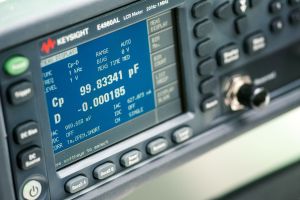
LCR Meters
LCR meters are used to measure inductance (L), capacitance (C), and resistance (R) at a fixed frequency or over a range.
View Details »
Ohmmeters
Ohmmeters are used to measure electrical resistance, primary using direct current.
View Details »
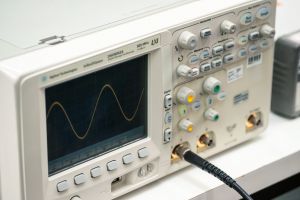
Oscilloscopes
Oscilloscopes are electronic instruments used to visualize and analyze the waveform of electrical signals.
View Details »
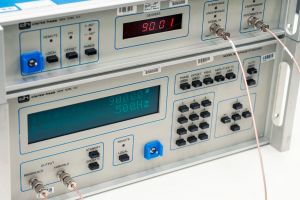
Phase Meters
Phase meters are instruments used to measure the phase angle between two alternating electrical signals.
View Details »
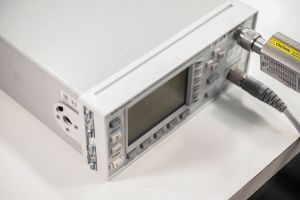
Power Meters
Power meters are instruments used to measure the electrical power consumption of a device or system.
View Details »
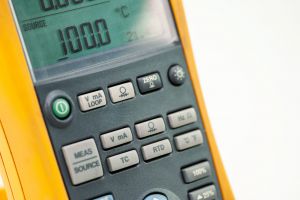
Process Calibrators
Process calibrators are used to test and calibrate various process parameters such as temperature, pressure, and electrical signals, essential in industrial and laboratory settings.
View Details »
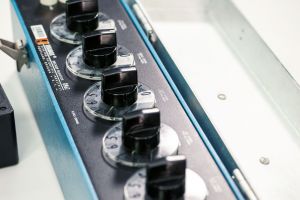
Resistors
Standard resistors are stable resistance standards built to be used as references in testing and calibration.
View Details »
Voltmeters
Voltmeters are used to measure electric potential difference between two points in a circuit.
View Details »
Temperature Indicators
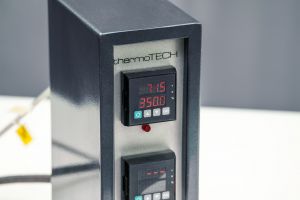
Temperature Controllers
Temperature controllers maintain a desired temperature by regulating heating and cooling processes by utilizing various temperature probes.
View Details »
Thermolators & Chillers
Thermolators are devices used to precisely control the temperature of industrial processes and equipment, often employing heating and cooling systems for accurate thermal management.
View Details »
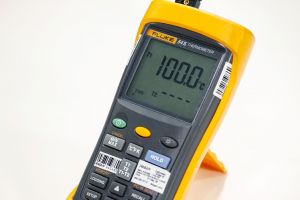
Digital Thermometers
Digital thermometers serve as indicators for various types of temperature probes and display the readings on a digital screen.
View Details »
Request Quotation for Electrical Calibrations
ELECTRICAL CALIBRATION HAS NEVER BEEN EASIER:

Experience Matters:
50 Years in Business.
5000+ Customers Served.

Quality Forward:
ISO / IEC 17025 Accredited
ISO 9001:2015 Certified

Consolidate Vendors:
With 45+ scope of capabilities, let us be a one stop shop.
Dedicated Metrologists:
Expert staff metrologists are on standby for your success.
Service You Can Count On:
Speak to real people who understand your account.
Every time.

Customer Online Portal:
Easily manage certificates, item status, gauge lists, and more!
